
Okay girls and guys; Let’s plan a hike. It’ springtime, but even so, we need to check the weather. The weather will dictate If we should go on our hike and/or what we should bring.
The clothes you wear on your hike can make or break a trip!!
Did you know that wearing cotton clothes (hoodies) in snow or cold weather could be deadly? Cotton is hydrophilic – it absorbs and holds water next to your skin causing hypothermia -when cotton gets wet, it does not insulate you anymore but causes all those air holes in the fabric to hold water making you colder – This can lead to disorientation, hypothermia, and therefore could even cause death if you become too chilled.
Why is sun shade so important on reducing chances of heat stroke? Using shade from trees, carry items, hats, etc, can help lessen solar heat gain that could cause your body to overheat in extreme outdoor temperatures. Shading and transpiration from plants (water vapor coming off plants and trees) can reduce air temps by 6 degrees or more. The clothes you wear can help block harmful UV rays – Certain fabric types will block the sun better than others. Cotton is not a good fabric to block these UV rays, but synthetics are more tightly woven and provide a better shield for the sun. Many of these new synthetic fabrics are now promoting their UV protection and they are water/sweat-wicking – keeping the water off your skin and helping you stay warm and dry. Wearing a hat and drinking plenty of water are extremely important while hiking.
Do wind breakers actually break the wind? Windbreakers are made to keep wind out. This keeps you warmer on windy days that have a wind chill factor -“feels like” temperature on your weather app (see below). If it is extremely cold, you might want to even add a middle layer (puffer or synthetic jacket) under a windbreaker to keep you even warmer.
The best (3) ways to check weather are:
- Look outside if you are at or near your hike location – visual
- Mobile phone weather application – check before you go.
a.  i-phone “weather” app –
Free – Temperature (hi & low), rain forecasted, hourly forecast, sunrise and sunset, precipitation radar, 10-day forecast, air quality, UV index, wind, precipitation (last 24 hours and expected), feels like temp, humidity, visibility, pressure, multiple locations.
b. 
Samsung phone users can enter “weather” into Google search for location of the hike
Free – Overview, precipitation, humidity, wind, hourly forecast, feels like temp, 10-day forecast, needs precise location.
c.  Weather live –
Free – hourly forecast, temperature (hi & low), radar, 7-day forecast, multiple locations, precipitation, humidity, chance of rain. dew point, wind, sun and moon, UV index, visibility (driving and photography)
Added pay functions ($69.99/yr) – future precipitation on map, track hurricanes, lightning strikes, 14-day forecast, air quality – ad free.
d.  Clime NOAA app –
Free – hourly forecast, radar, 7-day forecast, storm warnings, temperature (hi & low), chance of rain, sunset/sunrise times, UV index, wind condition, visibility, feels like temp, humidity, pressure now, sun and moon.
Added pay functions ($14.99/mo) – winds, snow depth, rain alerts, severe weather alerts, lightning and thunder, temperature monitor, air quality, fires, 14-day forecast, ad free.
3. Weather from the National Park Service if you are hiking in National Park land – www.nps.gov – this will give you info, alerts (most important), maps, calendar, and fees.
- Alerts – current conditions -roads and day use areas, trails (open, partially open, closed); seasonal footbridges, visitor center hours, campgrounds; backcountry camps; horse trails; fire, smoke, weather and air quality; water quality, wildflowers and blooms; laws and policies.
Other very important time sensitive information to check before you go:
- Where are the fires? Check before you go!!
 Watch Duty app
- What is the topography of the hike?
Everchanging conditions are diverse- associated with different topography (forms and features of land surfaces)
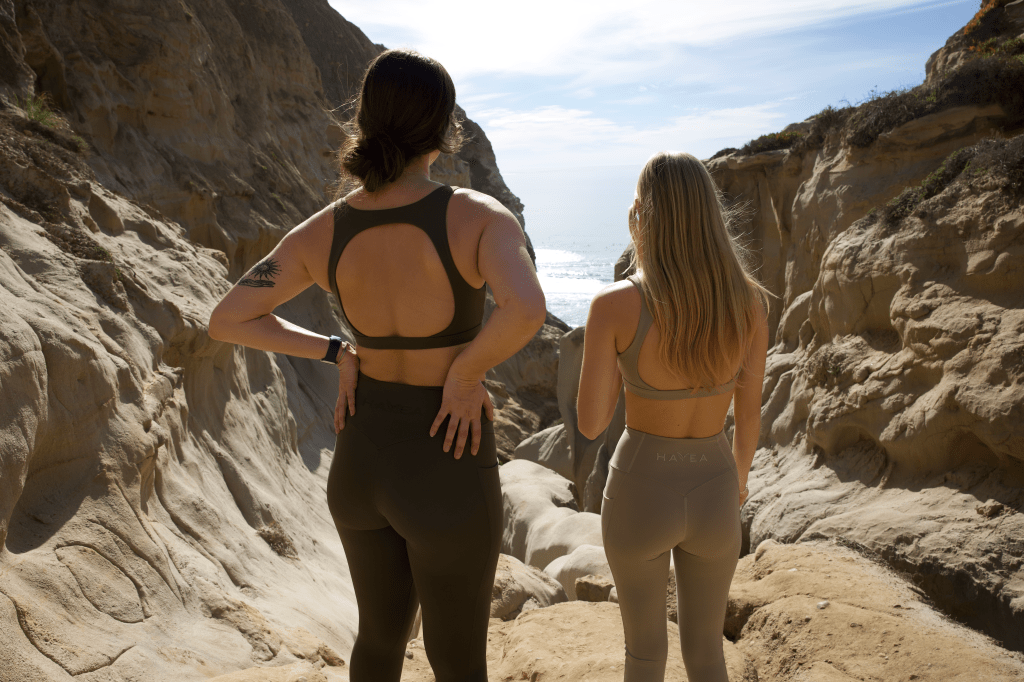
Desert hiking could be especially dangerous if rain showers are expected – flooding in the local washes happens fast and furious. Hot deserts during the day can be cold at night. Beware of high winds and sandstorms.
Mountains – slick trails, landslides, avalanches, eroded trails, ice and snow patches, are ever present when hiking. Dangerous wildlife can be a particular problem at various times in the day (dawn or dusk) and year (mating season, spring or summer). Beware of altitude sickness (rare below 8000 ft)– low oxygen levels at high altitudes (if you start feeling headaches, nauseous, dizzy, confused, tired, hard to breathe – drink lots of water, rest frequently – go down!)
WARNING *******************WARNING********************WARNING:
- DO NOT HIKE: If there are forecasted storm warnings – these warnings can be mitigated for very advanced hikers.
- Extreme weather conditions are: high winds, lightning, snow, and heavy rain
- DO NOT HIKE: Anywhere near a FIRE.
- DO NOT HIKE: If you are not prepared for sudden weather changes – exposure to severe cold (hyperthermia) can be fatal.
- DO NOT HIKE: Without water (1/2 liter per hour needed and/or filter if natural water is present)
- DO NOT HIKE: Without proper footgear (flipflops will not cut it)
- Carry bear spray
- Bring some food and a map
- Bring a first aid kit (this is a whole subject unto itself)
- Bring a flashlight (test it) – even if you are not planning to be out after dark
- Bring a light sports jacket even if it is warm
- Wear appropriate clothing – no cotton in the cold, a windbreaker if there is a possibility of wind or a chill factor – layer clothing and wear fabrics that have UV protection.
- Dress for sun with hats, sunglasses, sunscreen and layers
- Let someone know where you are going and when you will be back.
- Stay on the path!


 Havea Outdoors
Leave a comment